
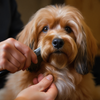
Pro Guide: At-Home Coat Care Between Grooming Visits
, 5 min reading time
, 5 min reading time
Written by the Groomica Expert Team
Regular salon appointments keep your pet healthy, hygienic, and looking great — but what you do at home between visits determines 80% of the coat’s condition. This guide shares a groomer-approved, low-stress routine you can do in 5–10 minutes a day. It prevents painful matting, reduces shedding, keeps skin calm, and sets your pet up for a comfortable, faster professional groom.
Everything below reflects real salon practice: safe techniques, clear do’s and don’ts, and practical tool recommendations you can source from a professional supplier.
Why it matters: Brushes can glide over forming knots. A stainless-steel comb with rounded pins is your honesty check — if it thunks or stops, you’ve found early matting before it becomes a shaving job.
How to use: After a quick brush, comb from skin outward in small sections. If you feel resistance, tease apart gently with fingers and comb; never rip through.
Slicker: Fine, bent pins. Great for curly, wool, and double coats (Poodles, Doodles, Bichons, Goldens, Huskies) to lift dead undercoat and fluff.
Pin: Ball-tip pins. Ideal for silky, delicate, or drop coats (Yorkie, Maltese) to glide the top layer without breakage.
Line-Brushing Method (10-second lesson): Lift a small section with one hand; brush the hair under that hand from skin outward. Move up one inch and repeat. Gentle pressure only — brushing should never scratch skin.
Ears: Healthy ears are pale pink, clean, and neutral-smelling. Wipe only the visible parts with a pet-safe ear cleaner and cotton pad. Never insert swabs into the canal. If you see redness, shaking, discharge, or a yeasty odour — stop and contact your vet.
Eyes: Use dedicated eye wipes or a soft cloth with tear-stain solution to remove residue from the inner corners. Keep the area dry to minimise irritation.
Overgrown nails click on the floor and alter posture, stressing joints and toes. Short, regular trims are kinder and safer than occasional big cuts.
Quick wipe of pads, between toes, legs, and belly removes salt, allergens, and road grime your pet might lick later. In extreme heat/cold, apply a pet-safe paw balm to protect and soothe pads.
See a vet or groomer promptly for: persistent ear odour, redness, constant scratching, hot spots, sudden hair loss, limping, cracked/bleeding pads, or any skin lesions.
Turn this guide into a simple Aftercare Card for clients: list the five tools, show line-brushing in one diagram, add a weekly checklist, and include your salon’s recommended visit frequency by coat type. Clients return sooner, with healthier coats — appointments are faster, calmer, and more profitable.
For coats longer than 2–3 cm: daily. For short or smooth coats: 2–3× per week is usually enough.
A soft, flexible slicker or a pin brush with rounded tips. Always brush gently; skin should never redden.
Go slow: desensitise with touch and high-value rewards. One nail per day beats a weekly struggle. Ask your groomer about cooperative-care training.
A consistent 5–10 minute routine does three things brilliantly: prevents mats, supports healthy skin, and builds trust. Your pet is more comfortable every day — and your next professional groom is smoother, faster, and more affordable.
Using dull, cheap, or incorrect tools can turn simple care into a struggle. Choose salon-grade combs, brushes, wipes, paw balms, and gentle cleaners curated for performance and safety.
Explore professional grooming tools and home-care essentials: www.groomica.eu


