How to Successfully Introduce New Dogs to Your Grooming Salon: A Professional Guide for Groomers

How to Successfully Introduce New Dogs to Your Grooming Salon: A Professional Guide for Groomers

, 13 min reading time

A structured, behaviour-based guide for professional groomers on how to safely and calmly introduce new canine clients to the grooming salon. Learn how to collect the right data, assess behaviour, design introductory packages, and build a high-level, trusted salon reputation.

How Professional Groomers Should Introduce New Canine Clients: A Complete Expert Behavioural Guide

First-time dogs can turn a normal grooming day into a behavioural and safety challenge. This expert guide shows professional groomers how to introduce new canine clients using a structured, behaviour-based system that protects dogs, groomers, and salon reputation.

By the Groomica Expert Team

Why First-Time Dogs Are the Biggest Test of Professional Grooming

Every groomer knows the feeling. A new dog arrives for their first appointment, and within minutes you discover that this will not be a routine session:

  • snapping when you try to pick them up,
  • attacking the dryer nozzle,
  • barking non-stop in the salon,
  • tap-dancing and spinning on the table,
  • refusing any paw or face handling,
  • or completely shutting down and freezing.

These dogs are not “naughty”. They are overloaded, unprepared, and uncertain. The solution is not to push harder or rush the groom, but to use a structured onboarding system that is grounded in canine behaviour, communication, and safety.

This guide outlines that system – so you can introduce new canine clients confidently and turn first-time visits into the foundation of long-term, low-stress relationships.

Why the First Groom Matters More Than Any Other

The first grooming visit is not “just another appointment”. Behaviourally, it is a conditioning event. The dog’s brain is deciding:

  • Is this place safe or dangerous?
  • Is this person someone I can trust?
  • What happens here when I am scared?

A chaotic, forced first groom can create long-term fear of tables, dryers, handling, and even car journeys. A structured, positive first groom can create a cooperative, confident dog for years to come.

That is why high-level salons treat first-time dogs as behavioural work first and cosmetic work second.

Understanding Why New Dogs React the Way They Do

To introduce new canine clients successfully, groomers must understand the main drivers behind first-groom behaviour:

Genetics and temperament

Some breeds are naturally more alert, vocal, cautious, or sensitive. Herding, guarding, and primitive breeds, for example, may take longer to trust new environments.

Past experiences

Dogs with a history of rushed grooms, rough handling, or high-stress vet visits may anticipate the same in your salon. Their reactions – snapping, shaking, growling – are often defence, not defiance.

Socialisation gaps

Dogs that were not gently introduced to handling, noise, and different surfaces as puppies will find the grooming salon overwhelming. They simply do not have the learning history to cope calmly.

Environmental overload

Bright lights, echoing sounds, other dogs barking, new smells, metal tables, dryers – all appear at once. Without structure, this becomes sensory overload that the dog expresses as panic, flight, or fight.

Once you see behaviour as information, not as “bad attitude”, you can respond like a behaviourally informed professional rather than a frustrated technician.

1. High-Quality Data Collection: The Foundation of Safe First Grooms

Before a new dog even walks into your grooming area, you should already know the most important risk factors. Poor data collection is the number one cause of:

  • sudden bite incidents,
  • unexpected collapsing or breathing problems,
  • time overruns,
  • conflicts with owners over price or results.

Essential intake questions for new canine clients

Use a structured form (online or on paper) and ask about:

  • Previous grooming experience: Where, how often, any problems?
  • Health issues: heart, spine, hips, epilepsy, breathing, recent surgery.
  • Behaviour history: has the dog ever bitten or tried to bite? Are there triggers such as dryers, nail clipping, muzzle use, ear handling?
  • Home handling: can the owner brush, check ears, touch paws without struggle?
  • Coat condition: matting, undercoat, hot spots, skin irritation.
  • Owner expectations: realistic length and style, or just a photo from social media?

Good data empowers you to make safe decisions: how long the session should be, whether to attempt a full groom, and whether the dog should start with an introductory package instead.

2. Communication as a Behavioural Tool

Most owners have never seen a full grooming process from start to finish. They underestimate:

  • how long it takes to safely dry a fearful dog,
  • how painful matting can be,
  • how much training is involved in simply standing still on a table,
  • how much stress a noisy environment can create.

Effective communication turns owners into allies, not adversaries.

Key messages to share with new clients

  • The first visit is about building trust as much as about getting the haircut done.
  • Not every dog is ready for a full groom on day one – some need a gentle introduction.
  • Matting, fear, and medical issues may require a different style or a shorter trim than the owner initially imagined.
  • Force-free, low-stress grooming takes more time, not less.
  • Regular visits and home maintenance are essential if they want predictable, beautiful results.

When owners understand the “why” behind your professional decisions, they are far less likely to pressure you to rush or to complain about outcomes that were realistically unavoidable.

3. Behavioural Assessment: The Red–Amber–Green System

A new dog should never go straight to a full groom without behavioural assessment. The goal is to evaluate the dog’s emotional state and handling tolerance before you commit to a full service.

The five-minute behavioural scan

  1. Entrance behaviour: Does the dog pull forwards confidently, freeze at the door, or drag backwards towards the car?
  2. Body language: Check tail height, ear position, posture, facial tension, lip licking, yawning, paw lifts.
  3. Handling response: Gently touch shoulders, chest, sides, and paws. Does the dog lean in, move away, or snap?
  4. Tool introduction: Let the dog hear the clipper and dryer from a distance. Observe their reaction.
  5. Table test: Use a low height. Does the dog panic, or can they settle with support?

Red–Amber–Green classification

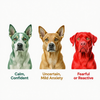
  • Green dog: curious, accepts touch, can stand on the table with mild support. Suitable for a full groom using standard safety measures.
  • Amber dog: unsure, slightly anxious, sensitive to certain areas or sounds. Needs a modified plan – possibly a shorter groom or an introductory session.
  • Red dog: fearful, reactive, cannot tolerate handling or noise. Should not be pushed into a full groom. Instead, the dog enters an introductory or rehabilitation package.

Professional salons train all staff to use the same assessment language. This creates consistency and protects both groomers and animals.

4. Why Introductory Packages Are Essential for New Dogs

Many leading salons across Europe and the UK now require first-time dogs to complete an introductory package before regular full grooms. This is not upselling – it is safeguarding.

Benefits for the dog

  • Gradual exposure to tools, sounds, and handling.
  • Positive associations built over several short sessions instead of one overwhelming experience.
  • Less fear, more confidence, and better emotional resilience.

Benefits for the groomer and salon

  • Reduced risk of bites, falls, and panic episodes.
  • More predictable groom times in the long term.
  • Clearer boundaries and policies, which strengthen your professional image.
  • Higher client retention – owners see your commitment to welfare, not just speed.

What a professional introductory package might include

  • Initial consultation and behaviour/health review.
  • Short visit focused on calm exploration, gentle handling, and basic table work.
  • Second visit introducing bath and towel dry, with dryer noise at a distance.
  • Third visit including partial or full grooming if the dog is ready.
  • Detailed notes recorded after each session to track progress.

By the end of the package, the dog should associate your salon with routine, predictability, and recovery – not fear.

5. Salon Environment: Designing a Space That Supports Calm Behaviour

The grooming environment sends a powerful message to first-time dogs. Small changes can significantly reduce stress.

Checklist for a low-stress grooming space

  • Noise: limit background dryer noise; avoid shouting across the room; consider sound-absorbing mats or panels.
  • Lighting: choose softer, warmer lighting instead of harsh white strips directly over the dog’s eyes.
  • Surfaces: use non-slip mats on the table and on key floor areas to prevent sliding.
  • Smell: keep fragrances neutral; avoid strong cleaning chemicals or air fresheners.
  • Organisation: lay out tools before you begin, so you are not constantly moving away from the dog or creating sudden clatters.
  • Owner presence: once the assessment and handover are complete, many dogs settle better when the owner is out of sight.

A calm, tidy, predictable environment supports low-stress learning. A chaotic one amplifies fear.

6. Safe Handling Techniques That Prevent First-Groom Accidents

Handling is where theory meets reality. New dogs often have very little experience being lifted, restrained, or touched in sensitive areas. Your job is to teach them that human contact in the grooming context is safe and predictable.

Core handling principles for new canine clients

  • Approach slowly from the side, not head-on.
  • Support both chest and hindquarters when lifting – never pull up by the front legs or neck.
  • Use a calm, steady voice; avoid quick, sharp movements.
  • Introduce equipment in stages: let the dog see, sniff, and hear before it touches their body.
  • Watch for early stress signals (lip licking, yawning, freezing, avoidance) and respond with a pause or change of approach.
  • Keep first sessions shorter than you think you “could” manage – ending on a good note is more important than finishing every detail.

Authority-level groomers treat first grooms as groundwork. They invest time in building cooperative behaviour, which pays back in every session that follows.

7. Why First Grooms Go Wrong – and How Professionals Avoid It

When you analyse first-groom disasters, the same patterns appear again and again:

  • No pre-visit data collection or health/behaviour screening.
  • No behavioural assessment – full groom started immediately.
  • Owner waiting in reception, increasing pressure to rush.
  • Overly ambitious goals for a fearful dog.
  • Ignoring or misreading early signs of stress.
  • Chaotic environment and inconsistent handling.

Professional groomers reverse this pattern by following a protocol instead of improvising. They realise that reputation is built not just on how a dog looks, but on how that dog felt – and how safely the session was completed.

8. A Structured First-Visit Protocol for Professional Grooming Salons

Below is a simple but powerful protocol you can adapt to your own salon. The key is consistency – every groomer on the team should understand and follow the same framework.

Step 1 – Pre-visit questionnaire

Collect health, coat, and behaviour data before the appointment. Flag high-risk dogs (medical, aggressive, highly fearful) for special handling or intro packages.

Step 2 – Behavioural assessment on arrival

Observe, handle gently, and classify the dog as green, amber, or red. Adjust your goals based on this assessment.

Step 3 – Salon orientation

Allow the dog a brief walk on lead around the grooming area. Let them sniff the table, hear the dryer from a distance, and meet you without pressure.

Step 4 – Introductory handling and tool exposure

Practice stepping on and off the table with support, gentle brushing, and very short touch exercises on paws, ears, and tail. Reward calm cooperation.

Step 5 – Grooming according to classification

  • Green dogs: proceed with a full groom, still allowing breaks as needed.
  • Amber dogs: attempt a partial or modified groom; prioritise welfare and training over cosmetic perfection.
  • Red dogs: focus on desensitisation and trust-building only; schedule future sessions for full work.

Step 6 – Positive ending

However much or little you achieve, make sure the final minutes are calm and predictable. A short cuddle, a soft voice, or a treat given with permission can leave a strong positive memory.

Step 7 – Documentation and future planning

Record what worked, what did not, which tools were tolerated, and which areas were sensitive. Use this information to plan the second visit more precisely.

9. Documentation: Protecting Your Salon and Demonstrating Professionalism

Detailed notes are not just paperwork – they are an essential professional tool.

What to document after a first visit

  • Coat condition and matting level on arrival.
  • Behavioural classification (green/amber/red) and key observations.
  • Any incidents, near misses, or strong reactions to tools.
  • Adjustments you made to keep the dog safe and comfortable.
  • Owner communication – what was explained, what they agreed to.
  • Recommendations for the next appointment and home care.

If questions or complaints arise later, your notes and photos will provide clarity and protect your team. Over time, documentation also creates a rich learning archive showing how dogs progress under your care.

10. Building a High-Level Salon Reputation Through Structured Onboarding

Any salon can produce a nice “after” photo on a calm dog. What separates truly professional operations from the rest is how they handle first-time, fearful, or behaviourally complex dogs.

When clients see that you:

  • ask detailed questions before the appointment,
  • take time to assess and understand their dog,
  • refuse to rush fearful animals for the sake of speed,
  • offer structured introductory packages instead of forcing a full groom,
  • communicate clearly and honestly about what is possible today,
  • document everything and plan ahead,

…they recognise that you operate at a different level. You are no longer “just a groomer” – you are their dog’s trusted care professional.

Final Thoughts: Behaviourally Informed Grooming Is the Future

Introducing new canine clients into your grooming salon should never be left to chance. With a behaviourally informed approach – built on high-quality data, clear communication, structured assessment, introductory packages, and careful documentation – first visits become safer, calmer, and far more predictable.

Dogs relax faster. Groomers feel more confident. Owners trust you more deeply. And your salon becomes known not just for beautiful haircuts, but for ethical, professional, welfare-focused care.

Groomica supports grooming professionals across Europe with educational resources, behavioural insights, and carefully selected tools designed to make every session safer, calmer, and more efficient.

To discover more expert articles and professional grooming equipment, visit www.groomica.eu.


Read more grooming guides

Login

Forgot your password?

Don't have an account yet?
Create account