
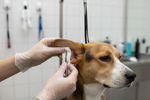
How Professional Groomers Should Clean Dogs’ Ears: Advanced Techniques, Infection Management & Ear Health Protocols
, 4 min reading time
, 4 min reading time
Professional groomer-focused guide on dog ear cleaning: advanced techniques, safe handling, infection identification, correct tools, breed considerations, and expert protocols to keep every dog’s ears healthy and free from complications.
By the Groomica Expert Team
Ear care is one of the most underestimated components of professional dog grooming — yet it is a critical part of maintaining a dog’s overall health, comfort, and well-being. For groomers, mastering proper ear cleaning techniques is not simply an additional task but an essential professional skill that reduces infection risk, improves client outcomes, enhances animal welfare, and builds long-term trust.
This comprehensive guide provides groomers with advanced, up-to-date knowledge on ear anatomy, safe cleaning protocols, infection recognition, breed-specific considerations, best practices, tools, and frequently asked questions based on real grooming challenges. It is designed to serve as a complete ear-care resource for modern grooming professionals.
A dog’s ear is more complex than many groomers expect. Proper understanding of its structure is essential for safe and effective cleaning.
The pinna is the visible flap of the ear. Its structure varies across breeds: upright ears (German Shepherd), semi-drop (Collie), or fully pendant ears (Cocker Spaniel). Dogs with floppy ears are more prone to infections due to reduced airflow and higher moisture retention.
The ear canal forms an “L-shape” — first moving vertically, then bending horizontally toward the eardrum. This protects the deeper ear structures but also traps debris and wax.
Important notes for groomers:
The eardrum vibrates to conduct sound and protects the delicate middle and inner ear. It is extremely sensitive; any damage can lead to chronic issues or hearing loss. Groomers must avoid deep insertion of any cleaning tools.
Not every dog requires ear cleaning during every grooming session. Overcleaning can cause irritation, inflammation, and discomfort.
In these situations, stop immediately and refer the dog to a veterinarian.
Ear hair plucking remains a debated topic. Groomers should follow evidence-based guidelines.
General rule: pluck only healthy ears and only when necessary.
Groomers are often the first to notice developing infections. Recognizing these signs is essential.
If any of these signs appear, do not clean the ears — refer the dog to a veterinarian.
Only when debris is visible or after bathing. Routine overcleaning causes irritation.
Only when necessary and only in healthy ears.
After the bath. Water softens wax, making cleaning easier.
Yes — rough cleaning, deep insertion, or harsh chemicals can irritate the canal and lead to infections.
Proper ear cleaning protects dogs’ health and strengthens groomer professionalism. By following evidence-based protocols, using appropriate products, and recognizing early warning signs, groomers provide safer and more effective care for every dog.
For expert grooming education, tools, and professional resources, visit Groomica.eu — the knowledge hub for ambitious pet professionals.


