
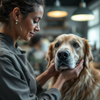
Senior Dog Grooming: A Complete Professional Guide for Groomers & Salons
, 33 min reading time
, 33 min reading time
A complete professional guide for groomers and salon owners on how to groom senior dogs safely and ethically. Covers workflows, equipment, cosmetics, scheduling, risk management and fear-free handling for aging dogs.
Every professional groomer eventually recognizes the moment when a dog walks into the salon more slowly than before. The eyes are still familiar, the tail may still wag, but the body moves with caution and intention. Standing no longer feels effortless, and balance is something the dog must actively manage. For senior dogs, grooming is no longer just another routine appointment — it is a physical and emotional experience that requires understanding and care.
Aging is not a disease, but it changes how a dog experiences the world. Joints stiffen, skin becomes thinner, senses dull, and stress tolerance decreases. Many owners notice these changes gradually, but the grooming table is often where the effects of aging become most visible. The groomer is one of the few professionals who handles the dog’s entire body regularly, making them uniquely positioned to recognize discomfort early.
Senior dog grooming is not about perfection or speed. It is about safety, comfort, and dignity. A professional groomer must adapt techniques, tools, products, and scheduling to support an aging body rather than challenge it. This guide provides groomers and salon owners with a clear, structured, expert-level approach to grooming senior dogs safely and responsibly.
Grooming senior dogs is not simply “normal grooming done more slowly.” It requires a fundamentally different professional mindset. As dogs age, their ability to compensate for discomfort decreases, and procedures that were once harmless can become painful or stressful. What matters most is no longer the final look, but the process itself.
Professional senior dog grooming prioritizes risk management over speed. Long grooming sessions, prolonged standing, or excessive restraint can lead to pain, fatigue, or medical complications. A groomer must continuously assess the dog’s physical and emotional state throughout the appointment, adjusting the plan as needed.
Understanding this shift in priorities is essential for groomers who want to work ethically and sustainably with elderly clients. The goal is to maintain hygiene and comfort without compromising the dog’s wellbeing.
When grooming elderly dogs, the groomer takes on an elevated level of responsibility. Senior dogs often cannot clearly communicate pain, dizziness, or discomfort until it becomes severe. This places the burden of observation and decision-making squarely on the professional.
A responsible groomer recognizes subtle signs such as shifting weight, trembling, heavy breathing, or reluctance to stand. These signals indicate when to slow down, provide support, or pause the session entirely. Professionalism is demonstrated not by finishing every planned step, but by knowing when to stop.
There are moments when grooming can do more harm than good if not adapted properly. Excessive drying heat, firm pressure during brushing, or forcing a dog to maintain uncomfortable positions can trigger pain or panic. Senior dogs recover more slowly from stress, making overexertion particularly risky.
Groomers must understand that reducing grooming intensity is not a failure. Shorter, gentler sessions often provide better outcomes for senior dogs than long, exhaustive appointments. Safety must always outweigh cosmetic results when you groom old dogs safely.
To groom senior dogs safely, professionals must understand how aging affects the canine body. These changes are often internal and gradual, but they directly influence how a dog tolerates handling, posture, and grooming tools. Ignoring these factors increases the risk of injury and stress.
Elderly dog grooming requires awareness of musculoskeletal limitations, skin fragility, and sensory decline. Each factor influences tool selection, technique, and workflow within the salon. When groomers understand what aging does to the body, they make better decisions at every stage of the appointment.
Most senior dogs experience some degree of joint stiffness or arthritis, even if it has not been formally diagnosed. Reduced muscle mass makes it harder for them to maintain balance, especially on grooming tables. Prolonged standing can cause pain or fatigue within minutes.
Professional groomers must reassess posture and stability throughout the groom. Supporting the dog’s body, allowing sitting breaks, and adjusting table height can significantly reduce discomfort. This is especially important when grooming dogs with arthritis or dogs that fatigue quickly.
As dogs age, their skin becomes thinner, drier, and less elastic. This makes it more susceptible to irritation, tearing, and chemical sensitivity. Products that worked well earlier in life may now cause redness, itching, or delayed healing.
Senior dog grooming requires gentler cosmetics, reduced friction, and careful drying. Aggressive brushing or harsh shampoos increase the risk of skin damage and post-groom discomfort. For many elderly dogs, comfort-based product choices are not optional — they are essential.
Vision and hearing loss are common in senior dogs and often go unnoticed by owners. Sudden movements, unexpected touch, or loud equipment can startle a dog that cannot clearly perceive what is happening. Reaction times are slower, which can increase defensive behavior under stress.
Groomers should move deliberately, communicate through calm touch, and introduce tools gradually. Predictability and routine reduce stress and improve cooperation in elderly dogs. This approach aligns naturally with fear free senior dog grooming principles and improves safety for both dog and groomer.
Before any tools are prepared or procedures discussed, a professional groomer must assess the potential risks associated with grooming a senior dog. Aging increases vulnerability, and what appears to be a routine appointment can quickly become physically demanding for an elderly dog. A structured risk assessment allows the groomer to identify limitations, adapt expectations, and protect both the dog and the salon. This step is not optional in professional senior dog grooming—it is foundational.
Risk assessment should be viewed as a preventive measure, not a formality. Many grooming-related incidents with senior dogs occur because early warning signs were missed or ignored. By slowing down and gathering the right information before the appointment begins, groomers can significantly reduce stress, injury, and liability. Proper assessment also builds trust with owners, who often worry deeply about their aging dogs.
The first physical assessment begins the moment the senior dog enters the salon. Observe how the dog walks, stands, and transitions from movement to stillness. Difficulty rising, hesitation on slippery floors, or uneven weight distribution can indicate joint pain or weakness. These observations should immediately influence grooming decisions, such as table height, session length, and the need for additional support.
Groomers should never assume that a dog who “looks fine” is comfortable. Senior dogs often mask discomfort until stress increases. Gentle hands-on checks—feeling muscle tone, joint stiffness, and skin sensitivity—help confirm what visual cues suggest. This assessment should be calm and unhurried to avoid overwhelming the dog.
Senior dogs often live with chronic conditions that directly affect grooming safety. Arthritis, heart disease, respiratory issues, kidney disease, and neurological conditions are common in aging dogs. Each condition changes how the dog should be handled, positioned, and groomed. Even medications can influence stress tolerance and temperature regulation.
Professional groomers must be comfortable asking clear, respectful questions about health history. Knowing whether a dog has collapsed before, struggles with heat, or becomes anxious when restrained allows the groomer to plan accordingly. Risk assessment is about preparation, not diagnosis, and it protects everyone involved.
Not every senior dog appointment should proceed as planned. After assessing physical condition and risk factors, the groomer must decide whether the full service is appropriate, needs modification, or should be postponed. This decision requires confidence and professional judgment, even when owners expect a complete groom.
Modifications may include partial grooms, shorter sessions, or multiple visits instead of one long appointment. In some cases, rescheduling or recommending veterinary grooming support is the safest choice. Clear communication ensures owners understand that these decisions are made in the dog’s best interest, not for convenience.
Professional senior dog grooming begins long before the dog enters the salon. Booking and communication play a critical role in ensuring a safe, successful appointment. When expectations are set early, groomers can control timing, environment, and workload. Poor communication, on the other hand, often leads to rushed sessions and unnecessary stress.
A dedicated booking workflow for senior dogs helps salons operate more efficiently and ethically. It signals professionalism and reassures owners that their aging dog is in experienced hands. This process should be structured, consistent, and respectful.
Before confirming a senior dog grooming appointment, groomers should gather essential information. Questions should focus on mobility, previous grooming reactions, medical conditions, and tolerance for standing or noise. Owners are often unaware of which details matter, so groomers must guide the conversation.
Asking the right questions allows groomers to anticipate challenges and prepare appropriate tools and support. It also reduces surprises on the grooming day. A short, well-designed pre-appointment questionnaire can streamline this process and improve safety.
Senior dogs benefit greatly from calm, unhurried transitions. Asking owners to arrive earlier than standard appointments allows the dog to acclimate to the salon environment. This extra time reduces anxiety and prevents rushed handling.
Early arrival also gives groomers the opportunity to reassess the dog in a relaxed setting. Simple actions, such as allowing the dog to stand or sit quietly before grooming begins, can significantly improve cooperation. These small adjustments often determine whether the session is successful or stressful.
Timing matters greatly when grooming elderly dogs. Scheduling senior dog appointments during quieter hours reduces noise, distractions, and pressure on the dog. Avoiding peak salon times allows groomers to focus fully on the dog’s needs without interruption.
Shorter, dedicated time slots are often more effective than standard appointments. Some salons benefit from offering senior-only grooming blocks or early morning sessions. Thoughtful scheduling protects the dog and improves overall workflow efficiency.
Clear communication with owners is essential in senior dog grooming. Owners must understand that comfort and safety take priority over aesthetics. Explaining potential limitations, such as incomplete styling or shorter sessions, helps manage expectations.
Professional groomers should frame these conversations positively, emphasizing care and wellbeing rather than restriction. When owners understand the reasoning behind adjustments, they are more likely to trust recommendations and return long-term.
Grooming senior dogs safely starts with the environment, not the scissors. A salon designed only for speed and efficiency often unintentionally increases stress and physical risk for elderly dogs. Small environmental adjustments can dramatically improve comfort, stability, and cooperation. For groomers and salon owners, preparing the workspace is one of the most effective ways to improve outcomes without extending appointment times excessively.
Senior dogs are more sensitive to noise, vibration, slippery surfaces, and temperature changes. What feels minor to a young dog can feel overwhelming or painful to an older one. A professional salon workflow accounts for these sensitivities before the dog is placed on the table. Preparation reduces reactive behavior, fatigue, and injury risk.
Slippery floors and unstable tables are one of the biggest hidden risks for senior dogs. Loss of muscle strength and joint stability makes it harder for elderly dogs to balance, especially on elevated grooming tables. Even a small slip can cause panic, strain, or injury.
Non-slip mats on tables and floors are essential, not optional, when grooming senior dogs. Grooming tables should be adjustable in height to minimize lifting and jumping. Supporting the dog’s chest, hips, or abdomen with soft supports or grooming slings can significantly reduce strain. These adjustments help the dog remain calm and prevent sudden movements caused by discomfort.
Senior dogs regulate body temperature less efficiently than younger dogs. Excessive heat from dryers, warm rooms, or prolonged airflow can cause distress, dehydration, or respiratory strain. Groomers must monitor temperature closely throughout the session.
Dryers should be used at lower heat settings with controlled airflow, especially around the face, chest, and joints. Loud equipment can startle dogs with hearing loss or cognitive decline, increasing anxiety. Whenever possible, quieter tools and reduced background noise should be used. A calm environment directly improves grooming tolerance in elderly dogs.
Predictability is critical for senior dogs. Sudden changes, rushed movements, or unexpected handling increase stress and confusion. A consistent routine helps elderly dogs understand what is happening and what comes next.
Using the same grooming order, handling patterns, and calm verbal cues builds trust. Allowing the dog to rest between stages of the groom reduces fatigue and emotional overload. Senior dogs respond best to grooming environments that feel slow, intentional, and controlled rather than busy and chaotic.
Choosing the right equipment is not about brand prestige—it is about function, safety, and control. Tools that work well on young, healthy dogs may be inappropriate or even dangerous for senior dogs. Groomers must reassess their equipment choices when working with elderly clients.
Professional senior dog grooming prioritizes precision, reduced vibration, and minimal physical strain. The right tools allow groomers to work efficiently without forcing the dog to endure unnecessary discomfort. Equipment selection directly affects the dog’s physical experience and the groomer’s ability to respond quickly to changes.
Senior dogs often have thinner skin and reduced tolerance for vibration. High-vibration clippers can cause discomfort, anxiety, or muscle tension. For elderly dogs, clippers with smooth motor operation, low vibration, and consistent power output are preferred.
Blade temperature must be monitored carefully, as older skin burns more easily. Frequent blade changes and cooling are essential. Using appropriate blade lengths and avoiding excessive pressure helps protect fragile skin. Groomers should prioritize control and safety over speed when clipping senior dogs.
Hand fatigue and pressure are common causes of accidental injury when grooming senior dogs. Dull scissors require more force, increasing the risk of pulling skin or hair painfully. Sharp, well-balanced scissors allow groomers to work with minimal pressure.
Rounded-tip scissors are recommended for sensitive areas such as the face, paws, and sanitary zones. Groomers should avoid aggressive thinning or texturizing techniques that can stress the skin. Precision and gentleness are far more important than stylistic complexity when grooming elderly dogs.
Support tools play a critical role in senior dog grooming. Grooming slings, belly supports, and stabilizing harnesses help dogs maintain posture without strain. These tools should be used proactively, not only when a dog begins to struggle.
Soft towels, cushions, and padded supports can be placed strategically to reduce pressure on joints. Groomers should never hesitate to pause grooming to reposition or support the dog. These tools are not signs of weakness—they are indicators of professional care.
Cosmetic choice is one of the most underestimated factors in senior dog grooming. Products that perform well on young, healthy dogs may be inappropriate for aging skin and coat. As dogs age, their skin barrier weakens, oil production changes, and healing slows down. This makes elderly dogs far more sensitive to ingredient quality, formulation balance, and product concentration.
Professional groomers must understand that senior dog grooming cosmetics are not about fragrance or visual effect. They are about skin protection, comfort, and long-term health maintenance. Choosing the wrong products can turn a grooming session into a source of irritation that lasts days or weeks after the appointment.
Senior dogs experience gradual thinning of the epidermis and reduced lipid production. This results in drier skin, increased transepidermal water loss, and lower resistance to environmental irritants. The coat may become brittle, dull, or greasy depending on hormonal and metabolic changes.
Because of these shifts, elderly dogs respond poorly to aggressive degreasing shampoos or heavily perfumed products. What once cleaned effectively may now strip the skin barrier entirely. Groomers must adapt cosmetic choices to support skin function rather than simply remove dirt.
Cosmetics for senior dogs should focus on hydration, barrier repair, and soothing action. Ingredients such as mild surfactants, humectants, and skin-calming agents help reduce irritation during and after grooming. Products formulated for frequent use are often safer for elderly dogs than strong deep-clean formulas.
Look for formulations that prioritize skin balance over cosmetic finish. Professional-grade products designed for sensitive or dermatological use are typically more appropriate. The goal is to leave the skin calmer than before the bath, not tighter or dry.
Certain ingredients commonly found in grooming products can be problematic for senior dogs. Harsh sulfates, high alcohol content, strong synthetic fragrances, and aggressive antiseptics may cause dryness, itching, or delayed skin recovery. Even products marketed as professional are not always suitable for elderly dogs.
Overuse of medicated shampoos without veterinary guidance can disrupt the skin microbiome. Senior dog grooming should avoid unnecessary chemical stress. If a product causes redness, itching, or behavioral discomfort after grooming, it should be reconsidered immediately.
Conditioners and coat masks are often essential for senior dogs, not optional. They help restore moisture, improve coat manageability, and reduce friction during drying and brushing. For elderly dogs, conditioners should be lightweight, residue-free, and easy to rinse.
Leave-in sprays or balms can provide additional protection for dry skin and fragile coats. These products are particularly useful between grooming sessions, helping owners maintain comfort at home. Groomers should educate owners on proper use to avoid buildup or misuse.
Not all senior dogs age the same way. Some develop dry, flaky skin, while others experience increased oiliness or localized sensitivity. Groomers must assess each dog individually rather than applying a one-size-fits-all cosmetic routine.
Professional judgment is critical. The best grooming results come from matching product choice to the dog’s current condition, not age alone. Regular reassessment ensures the grooming routine evolves alongside the dog’s needs.
A structured grooming procedure is essential when working with senior dogs. Unlike standard grooming, elderly dog grooming must remain flexible, responsive, and interruption-friendly. The goal is not to complete every step at all costs, but to complete what is safe and beneficial.
Professional groomers should approach senior dog grooming as a guided process rather than a fixed checklist. Each stage of the groom provides information about the dog’s tolerance and condition. The procedure must allow for adjustments without pressure or frustration.
The grooming process begins with acclimation. Senior dogs benefit from a few minutes to observe, smell, and settle into the salon environment. Immediately rushing this stage often leads to increased anxiety later in the session.
Initial handling should be gentle and minimal. Allow the dog to stand or sit comfortably without immediately lifting onto the table. This time helps the groomer assess mobility, balance, and emotional state before proceeding.
Bathing should be calm, controlled, and efficient. Water temperature must be lukewarm, as senior dogs are sensitive to extremes. The dog should never be forced to stand longer than they can comfortably tolerate.
Gentle massage rather than scrubbing reduces strain on joints and skin. Rinsing thoroughly is critical, as residue can irritate fragile skin. If the dog becomes fatigued, bathing can be shortened or divided into stages.
Drying is often the most physically demanding part of grooming for senior dogs. Standing for extended periods while exposed to airflow can cause exhaustion or stress. Groomers should use lower heat settings and controlled airflow, focusing on drying in short intervals.
Towel drying plays an important role in reducing total dryer time. Allowing the dog to rest between drying stages prevents overheating and muscle fatigue. The goal is comfort and dryness, not speed.
Styling senior dogs requires realism. Complex patterns, extreme shaping, or prolonged scissoring may be inappropriate. Groomers should prioritize hygiene, comfort, and ease of maintenance over aesthetic trends.
Shorter, simpler trims often benefit elderly dogs by reducing matting, heat retention, and grooming stress. Clippers and scissors should be used with minimal pressure and frequent breaks. Groomers must watch closely for signs of fatigue or discomfort.
One of the most important professional skills in senior dog grooming is knowing when to stop. If the dog shows signs of physical strain, anxiety, or reduced cooperation, the session should be paused or ended. Continuing past this point increases risk.
Splitting grooming into multiple shorter sessions is often safer and more effective. Groomers should communicate this option clearly to owners. A partially completed groom performed safely is always better than a complete groom achieved through stress or force.
One of the most common mistakes in senior dog grooming is applying the same scheduling logic used for younger dogs. Aging changes how often a dog should be groomed, how long each session should last, and what level of intervention is appropriate. Senior dogs benefit from consistency and moderation rather than infrequent, intensive grooming appointments. A well-designed maintenance plan reduces stress, supports skin health, and improves the dog’s quality of life.
For professional groomers, establishing structured maintenance plans for elderly dogs is both an ethical practice and a business advantage. It allows salons to deliver better care while building long-term client relationships. Senior dog grooming should be approached as an ongoing process, not a one-off service.
As dogs age, their skin and coat lose resilience, and recovery from physical stress slows down. Long gaps between grooming sessions often lead to matting, skin buildup, and discomfort, making the next groom more difficult and stressful. Conversely, overly aggressive grooming at long intervals increases the risk of injury and fatigue.
Shorter intervals with lighter grooming reduce cumulative stress. Regular maintenance prevents problems from escalating and allows groomers to monitor changes in the dog’s condition over time. This proactive approach is especially important for dogs with arthritis, skin sensitivities, or chronic health conditions.
While every dog is different, most senior dogs benefit from more frequent but gentler grooming schedules. Full grooming sessions may be spaced closer together, but each session should involve less physical demand. This balance supports hygiene without overwhelming the dog.
For many elderly dogs, partial grooms between full sessions are highly effective. These may include sanitary trims, paw care, brushing, or coat maintenance without full bathing. Groomers should tailor frequency based on coat type, mobility, and skin condition rather than age alone.
A professional maintenance plan for a senior dog should be customized and documented. It should outline grooming frequency, preferred tools, cosmetic products, handling considerations, and known limitations. This plan ensures consistency even when different groomers handle the dog.
Individualized plans also help manage owner expectations. When owners understand why their dog follows a specific schedule, they are more likely to comply and trust professional recommendations. Written plans position the salon as a knowledgeable, responsible partner in the dog’s care.
Senior dog grooming does not end when the dog leaves the salon. Owners play a critical role in maintaining comfort between professional visits. Groomers should provide clear, realistic guidance on brushing, paw care, and coat maintenance.
Education should focus on simple routines owners can actually follow. Overloading owners with complex instructions often leads to non-compliance. A few consistent habits at home can significantly reduce grooming stress at the next appointment and improve the dog’s overall wellbeing.
Consistent grooming has measurable long-term benefits for senior dogs. Dogs experience less matting, fewer skin flare-ups, and improved mobility when discomfort is minimized. Behavioral resistance often decreases as grooming becomes predictable and less physically demanding.
For salons, structured senior grooming programs improve retention and reputation. Clients with elderly dogs value professionals who prioritize safety and empathy. Over time, this approach positions the salon as a trusted authority in senior dog care rather than just a service provider.
Even experienced groomers can unintentionally make mistakes when grooming senior dogs. These mistakes rarely come from negligence; they usually stem from applying routines designed for younger dogs to elderly ones. Aging changes physical tolerance, emotional resilience, and recovery speed, making certain standard practices inappropriate. Recognizing these common errors is essential for improving safety, outcomes, and professional credibility.
Senior dog grooming requires continuous reassessment of habits that may have worked well for years. What defines expertise is not avoiding mistakes entirely, but identifying and correcting them early. Understanding these pitfalls helps groomers refine their approach and protect the wellbeing of elderly dogs.
One of the most frequent mistakes is assuming that a senior dog can tolerate the same grooming workflow as a younger dog. Extended standing, long drying sessions, and prolonged restraint place unnecessary strain on aging joints and muscles. Even calm, compliant senior dogs may endure discomfort silently until they reach a breaking point.
Professional groomers must consciously slow down and simplify procedures for elderly dogs. Adjusting expectations does not reduce service quality—it enhances it. Grooming should adapt to the dog’s current physical capacity, not past performance.
Senior dogs often communicate discomfort subtly. Small shifts in posture, slight trembling, increased panting, or a reluctance to continue can be early indicators of pain or exhaustion. Groomers who focus solely on completing the groom may overlook these signals.
Ignoring early warning signs increases the risk of collapse, panic, or injury. Experienced groomers learn to pause, reassess, and adjust before stress escalates. Listening to the dog’s body language is a core professional skill in senior dog grooming.
Excessive heat from dryers, firm brushing, or tight restraint can quickly overwhelm senior dogs. Aging bodies are less efficient at regulating temperature and absorbing physical pressure. What feels controlled to the groomer may feel intense or painful to the dog.
Groomers should reduce dryer heat, limit airflow duration, and avoid unnecessary restraint whenever possible. Support tools should assist the dog, not restrict movement. Comfort-based handling prevents stress responses and promotes cooperation.
Another common mistake is prioritizing cosmetic results over the dog’s wellbeing. Complex styles, precise shaping, or finishing touches may extend grooming time beyond the dog’s tolerance. In senior dog grooming, aesthetics must always come second to safety and comfort.
Professional groomers redefine “finished” for elderly dogs. A clean, comfortable, manageable groom is a success—even if it differs from breed standards or owner expectations. Clear communication helps owners understand this shift in priorities.
Some groomers avoid difficult conversations with owners about what is realistic for a senior dog. This can lead to unrealistic expectations, rushed grooming, or pressure to complete unsafe procedures. Avoiding these discussions ultimately increases risk.
Open, respectful communication builds trust and protects both the dog and the groomer. Owners appreciate honesty when it is framed around care and welfare. Setting boundaries is a sign of professionalism, not weakness.
In professional grooming, a dog is generally considered senior from around 7 years of age, depending on breed and size. Large and giant breeds often show senior-related changes earlier, while small breeds may remain physically resilient longer. Grooming decisions should be based on physical condition and tolerance rather than age alone. Senior dog grooming focuses on adapting techniques to the dog’s current health and mobility.
Senior dogs typically benefit from more frequent but shorter and gentler grooming sessions. Many elderly dogs do best with light grooming every 4–6 weeks, combined with partial maintenance visits in between. Long gaps between grooming often increase stress, matting, and discomfort. Consistency is more important than intensity for senior dog grooming.
Yes, dogs with arthritis can be groomed safely when proper adjustments are made. Groomers should minimize standing time, use non-slip surfaces, provide physical support, and allow frequent breaks. Grooming sessions should be shorter and focused on comfort rather than full cosmetic finishes. Grooming dogs with arthritis requires careful observation and flexibility throughout the session.
Not always. Full bathing may be physically demanding for some senior dogs, especially those with mobility or respiratory issues. Partial grooming sessions focusing on hygiene areas, coat maintenance, and comfort can be equally effective. The grooming plan should be adjusted based on the dog’s tolerance on that specific day. Senior dog grooming should remain flexible rather than fixed.
Senior dogs benefit from gentle, skin-supportive grooming products with mild surfactants and moisturizing ingredients. Harsh shampoos, strong fragrances, and high-alcohol formulations should be avoided. Conditioners and leave-in products often play an important role in maintaining skin comfort. Product choice should always match the dog’s current skin and coat condition.
Yes, excessive grooming stress can negatively affect senior dogs. Prolonged physical strain, overheating, or anxiety may trigger flare-ups of underlying conditions such as heart or respiratory issues. Stress recovery is slower in elderly dogs than in younger ones. Professional groomers must monitor stress levels and stop grooming when necessary.
There is no universal time limit, but senior dog grooming sessions should be significantly shorter than standard appointments whenever possible. Many elderly dogs tolerate 30–60 minutes better than long sessions exceeding 90 minutes. Splitting grooming into multiple visits is often safer and more effective. Session length should always be adjusted based on the dog’s response.
Signs include trembling, heavy or rapid breathing, reluctance to stand, sudden stiffness, vocalization, or behavioral shutdown. Even subtle changes in posture or responsiveness can indicate fatigue or pain. When these signs appear, grooming should be paused or ended immediately. Knowing when to stop is a key professional skill.
Yes. Salon grooming exposes dogs to noise, unfamiliar environments, and handling by multiple people. This can be more stressful for senior dogs than home routines. Professional salons should adapt workflows accordingly, while owners should maintain simple, supportive routines between visits. Collaboration between groomer and owner improves outcomes.
Fear-free grooming is especially important for senior dogs because their tolerance for stress is reduced. Calm handling, predictable routines, and gentle tools help minimize anxiety. Fear-free approaches improve cooperation and reduce the risk of injury. Senior dog grooming should always prioritize emotional safety alongside physical care.
Senior dog grooming is not a niche service — it is a rapidly growing professional necessity. As veterinary care improves and dogs live longer, salons that understand and adapt to the needs of aging dogs will become increasingly valuable. Grooming salons that position themselves as senior-dog-friendly are not only responding to market demand; they are demonstrating maturity, ethics, and professional leadership.
Becoming a senior-dog expert does not require reinventing your business. It requires intention, structure, and communication. Salons that consistently apply thoughtful workflows, appropriate equipment, and empathetic handling naturally stand out in the eyes of clients with elderly dogs.
Owners of senior dogs are often deeply concerned about their pet’s comfort and safety. They actively seek professionals who understand aging, mobility issues, and emotional sensitivity. When a salon demonstrates confidence and care in handling senior dogs, trust forms quickly and deeply.
This trust leads to long-term client relationships. Senior dog owners are loyal to groomers who prioritize wellbeing over appearance. By serving elderly dogs responsibly, salons often retain clients for years, including future pets within the same household.
A senior-dog-friendly salon identity is built through actions, not slogans. It is reflected in how appointments are booked, how dogs are handled, and how staff communicate with owners. Simple adjustments — quieter scheduling, extra time allowances, clear care explanations — send a strong professional message.
Salons that openly acknowledge limitations and prioritize comfort are perceived as more credible than those promising perfection at all costs. Transparency reinforces professionalism and reduces conflict or unrealistic expectations.
A salon’s reputation depends on the consistency of its team. All staff members should understand the principles of senior dog grooming, even if only one groomer specializes in it. Basic training in recognizing pain signals, adjusting handling, and communicating with owners ensures a uniform standard of care.
Staff confidence reduces hesitation and mistakes. When everyone understands why procedures are adapted for elderly dogs, workflows become smoother and safer. Education is one of the strongest investments a salon can make.
Ethical grooming is increasingly important to modern pet owners. Clients want to know that their dogs are treated with respect, compassion, and professionalism. Senior dog grooming highlights a salon’s ethical standards more clearly than almost any other service.
Salons that are willing to stop a groom, split appointments, or refuse unsafe requests demonstrate integrity. This ethical stance enhances reputation and differentiates the salon from competitors focused solely on speed or volume.
Groomica.eu exists to support grooming professionals with real-world knowledge, professional-grade equipment, and evidence-based education. Senior dog grooming reflects everything modern grooming should represent: safety, responsibility, and long-term thinking.
By providing access to professional tools, salon equipment, and carefully selected grooming products across Europe, Groomica.eu helps groomers implement the principles outlined in this guide. Education and equipment work together — neither is effective alone.
Senior dog grooming is not about doing less — it is about doing better. It requires patience, observation, and a willingness to adapt. Groomers who embrace this approach protect the dignity of aging dogs and elevate their own professional standing.
Salons that invest in senior dog expertise are investing in the future of grooming itself. As the industry evolves, those who prioritize welfare, knowledge, and ethical practice will lead.
Groomica.eu is proud to support grooming professionals who choose that path.


