
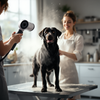
Labrador Retriever Grooming Guide: Complete Professional Care
, 21 min reading time
, 21 min reading time
A professional Labrador Retriever grooming guide for groomers and dog owners. Learn how to manage shedding, coat and skin health, bathing, drying, seasonal care and long-term maintenance from puppy to senior age.
The Labrador Retriever is often described as “easy to maintain” because the coat is short. In professional grooming reality, Labradors are only easy when their coat and skin biology is respected. A Labrador’s double coat, active lifestyle, love of water, and naturally oily skin create a very specific grooming profile: shedding control is a year-round task, skin balance is easy to disturb with the wrong washing routine, and drying is more important than many owners realize.
This in-depth Groomica.eu guide is written for professional dog groomers and for dog owners and pet lovers who want to understand what a healthy Labrador coat should look and feel like, how to manage seasonal shedding, how to bathe and dry correctly, how to prevent odor and ear issues, and how to build a realistic care routine from puppy to senior age. We also cover pet grooming vs. show presentation, working vs. family Labradors, and the most common mistakes that quietly create chronic skin problems.
Labrador grooming is not “more products.” It is correct timing, correct technique, and correct restraint. The goal is a clean, healthy dog with a resilient coat that repels water, sheds normally, and does not smell or itch. When the routine is right, the Labrador feels comfortable, behaves better during grooming, and the coat becomes dramatically easier to maintain.
Labradors are medium-to-large athletic dogs, commonly 25–36 kg in adult weight (depending on sex and line). Their reputation as friendly family dogs sometimes hides how physically demanding they are as clients: strong necks, powerful shoulders, constant tail motion, and a natural desire to move and explore. In a grooming salon, this means the grooming plan must support both dog comfort and handler safety.
The Labrador coat is a short double coat designed for outdoor work and water retrieval. It is built to protect against cold water, wet weather, and abrasive terrain. That protection comes from two parts: a dense undercoat that insulates, and a harsher outer coat that helps repel moisture and dirt. Most Labradors also have naturally active sebaceous glands (skin oils), which is why they often feel slightly “oily” compared to many other breeds. This is not automatically “dirty” skin. It is part of the breed’s protective system.
Because of these biological traits, Labrador grooming is not about creating a “perfect haircut.” It is about maintaining coat function while managing what owners experience as problems: shedding, odor, itchiness, dandruff, greasy feel, and ear issues. When grooming is done incorrectly—especially over-washing, poor rinsing, or incomplete drying—Labradors can quickly develop chronic irritation and a cycle of “smell → wash more → skin gets worse → smell returns.”
Done properly, grooming supports the Labrador’s natural coat barrier, reduces shedding load, keeps skin comfortable, and makes the dog easier to live with year-round.
To groom Labradors well, you need to understand how their coat behaves in real life. Many owners assume short coat equals low maintenance. In practice, a Labrador can produce more loose coat than many long-haired breeds, and that shedding can become constant if the undercoat cycle is disrupted by indoor heating, irregular bathing, or chronic skin inflammation.
The Labrador’s outer coat is short, resilient, and designed to resist moisture and dirt. Underneath is a dense undercoat that holds air for insulation. The undercoat does not “fall out neatly” like in some northern breeds; it releases gradually and heavily during seasonal blow, and it can also shed continuously in dogs living in warm indoor environments.
Professional implication: the most effective Labrador grooming is not about cutting hair short—it is about removing dead undercoat safely and maintaining the outer coat so it continues to repel water. When groomers or owners use harsh stripping methods, aggressive tools, or attempt to “thin” the coat improperly, the coat can lose protective quality and the skin can become reactive.
Owner implication: if a Labrador feels like it is shedding all the time, it usually indicates either (a) the coat cycle is being pushed by indoor conditions, or (b) the dog has low-grade skin inflammation that increases hair turnover. The solution is not always “brush harder.” It is often: brush smarter, bathe correctly, dry properly, and reduce irritants.
Labradors frequently have more skin oil than many breeds. That oil helps protect the coat and helps the dog repel water. The problem begins when oil is treated as “dirt” and removed aggressively too often. Over-washing strips protective oils, causing the skin to respond by producing more oil, while also weakening the barrier. This can lead to itchiness, dandruff, odor, and secondary infections.
A professional Labrador bath is therefore a balance: clean thoroughly when needed, but choose formulas and frequency that preserve the barrier. Good Labrador grooming is as much about restraint as it is about cleaning power.
Most Labradors have strong seasonal shedding peaks in spring and autumn. During these periods, the undercoat loosens rapidly, and owners experience what feels like “infinite hair” on floors, furniture, and clothing. This is normal biology, but grooming technique determines how manageable it becomes. A correct deshedding routine can reduce loose undercoat dramatically without damaging skin, while incorrect brushing can cause skin micro-irritation that makes shedding worse.
For salons, these seasonal cycles are a chance to offer structured maintenance: shedding-control grooms scheduled at the right intervals, with proper bathing, conditioning (when appropriate), forced-air drying, and controlled undercoat removal. For owners, it’s the difference between brushing for 5 minutes and giving up, versus building a routine that actually works.
The fundamentals of Labrador grooming stay consistent across life: coat health, skin comfort, nails, ears, and hygiene always matter. What changes is the dog’s tolerance, coat density, activity level, and health risk profile. A Labrador puppy needs confidence-building and gentle routine development. An adult needs structured maintenance around shedding and lifestyle. A senior needs comfort-first handling and more frequent, smaller grooming interventions.
Labrador puppies are often enthusiastic and mouthy, with low impulse control and high curiosity. Grooming at this stage is less about removing undercoat (they do not have full adult density yet) and more about building a dog that can be handled calmly for life. The most common future problem in Labradors is not coat—it is resistance: dogs that never learned to tolerate nails, ears, brushing, dryers, or being held still.
Puppy grooming should be structured as short “training sessions” that include real hygiene tasks. The goal is to create predictable patterns: paws touched, nails trimmed lightly, ears handled, coat brushed, bath introduced calmly, and drying practiced without panic. Many Labradors become water-loving but dryer-hating, and that mismatch creates salon stress later. Early dryer exposure matters.
Puppy schedule (realistic baseline):
What owners should prioritize: paw handling, nail tolerance, ear handling, calm towel and dryer exposure, and teaching the puppy to stand still for 10–30 seconds at a time. These are the skills that prevent future stress, not “perfect cleanliness.”
Adult Labradors have full coat density and a mature oil balance. This is the stage where owners typically report the classic problems: heavy shedding, “wet dog” odor, and ear issues (especially in dogs that swim). Many adult Labradors also develop lifestyle-related coat changes: indoor heating can cause continuous shedding, while frequent outdoor activity can introduce pollen, dust, and irritants that trigger itching.
An adult Labrador grooming plan should be built around three pillars: shedding control, skin barrier protection, and dryness management (meaning: correct drying, not stripping oils). The most effective routine combines regular brushing at home with periodic professional deshedding grooms timed to shedding peaks. Many owners brush often but still feel overwhelmed because they are brushing without releasing undercoat properly or they are using tools that damage the coat.
Adult schedule (typical):
Show vs pet adult Labs: pet Labradors typically need traction-focused paw maintenance and practical coat management. Show Labradors may be maintained with more precise coat finishing, controlled shedding presentation, and a coat texture that is protected carefully (no harsh stripping, no over-bathing). Show coat health is built months ahead, not the week before.
Senior Labradors are one of the most common grooming clients with mobility limitations. Arthritis, hip and elbow issues, and muscle loss can change how a dog stands and tolerates grooming. Seniors often have more sensitive skin, may develop lumps, and may have reduced ability to thermoregulate during drying. Many senior Labradors also gain weight, increasing pressure on paws and making nail length more critical for posture.
Senior grooming is not about long sessions. It is about frequent, comfortable maintenance that supports hygiene and prevents discomfort. The biggest mistake in senior Labrador grooming is trying to do “everything at once” like an adult groom. Seniors do better with shorter sessions, more breaks, and sometimes split services: nails and ears on one visit, bath and coat on another.
Senior routine focus:
Senior schedule (common):
A Labrador groom looks simple on paper: bath, dry, brush, nails, ears. In practice, Labradors demand a structured workflow because their coat is dense, their undercoat holds water, and incomplete drying is one of the most common causes of odor and skin flare-ups. A professional protocol ensures repeatable results and prevents the cycle of “they smell again in a week.”
The routine below is written as a salon-standard workflow that can be adapted to home grooming by experienced owners. The key difference is not the steps—it is the thoroughness of rinsing and drying, and the timing of undercoat removal.
Before you wet a Labrador, assess the dog’s skin and coat honestly. Labradors hide irritation under short hair, so you must use both eyes and hands. Feel for dandruff, greasy areas, coat density changes, bumps, sore spots, and signs of scratching. Ask about swimming, changes in diet, recent itching, and ear problems. Many “coat problems” are actually lifestyle or skin-balance problems that show in grooming.
Bathing is the most misunderstood part of Labrador grooming. Because the coat is short, many people assume the bath is simple. In reality, Labradors require thorough washing to reach the skin, followed by equally thorough rinsing. Anything less leaves residue trapped in the dense undercoat, which later causes itching, dull coat, dandruff, and odor.
Water temperature should be lukewarm. Hot water stimulates oil production and can irritate the skin; cold water prevents shampoo from penetrating the coat properly. Before applying shampoo, the coat must be fully saturated all the way to the skin — especially over the neck, chest, shoulders, and tail base, where the coat is densest.
Shampoo choice matters less than technique. Mild, professional-grade shampoos designed for frequent use or sensitive skin are usually best for Labradors. Strong degreasing shampoos should be reserved for very specific situations (for example, heavy contamination or extreme oil buildup) and not used as a routine solution.
Professional bathing sequence:
Incomplete rinsing is one of the main reasons Labradors smell again shortly after grooming. Even small amounts of shampoo residue trapped in the undercoat will attract dirt and moisture.
Conditioner is not automatically necessary for every Labrador. In fact, over-conditioning can make the coat too soft, reducing its natural water-repellent function. However, in certain situations, a light conditioner can be very beneficial.
Conditioner may help when:
Conditioner should be light, well-diluted, and thoroughly rinsed. Heavy masks or leave-in products are usually unnecessary and may increase oiliness or residue buildup.
Drying is the most critical step in Labrador grooming — and the one most often rushed. Labradors have dense undercoats that hold moisture close to the skin. If that moisture is not removed, it creates the perfect environment for odor, yeast growth, hot spots, and ear problems.
Towel drying alone is never sufficient. Forced-air drying is essential to remove water from the undercoat and release loose hair. Airflow should be controlled and not excessively hot. Start from the neck and shoulders, move through the body, and finish with legs and tail. Always check under the collar area and behind the ears.
Professional drying goals:
Many Labradors that “always smell” simply have never been dried properly after bathing.
Deshedding should never be aggressive. The goal is to remove dead undercoat that is already released, not to force hair out prematurely. Over-brushing or using harsh tools can irritate the skin and actually increase shedding.
Effective deshedding combines:
Tools should glide smoothly without scratching the skin. Work in sections, follow the coat direction, and stop when resistance increases. Deshedding is complete when brushing no longer produces loose hair easily.
Labradors are heavy, active dogs. Nail length directly affects posture, joint loading, and comfort. Overgrown nails push the toes upward and shift weight backward, increasing stress on joints and spine.
Nails should be trimmed regularly, aiming for functional length rather than extreme shortness. Dewclaws must be checked carefully, as they often do not wear down naturally.
Paw pads should be inspected for dryness, cracks, and interdigital redness. Hair between pads should be trimmed flush to improve traction and hygiene, especially for indoor dogs and seniors.
Labradors have drop ears and often love swimming. This combination makes ear care a central part of grooming. Moisture trapped in the ear canal encourages yeast and bacterial growth.
Ears should be checked at every groom. Gentle cleaning with a suitable ear cleaner helps remove excess wax and moisture. Aggressive plucking is rarely necessary and can increase irritation unless specifically recommended by a veterinarian.
Drying around the ear base after bathing is essential. Many ear problems start not inside the ear canal, but from moisture sitting around the ear opening.
Professional grooming sets the foundation, but daily life determines how well a Labrador’s coat and skin stay balanced. Home care does not need to be complicated. In fact, simple, consistent routines are far more effective than occasional intense efforts.
Most adult Labradors benefit from brushing once or twice per week under normal conditions, and more frequently during seasonal shedding. Short sessions are better than infrequent long ones. Brushing should feel comfortable for the dog and should not cause redness or irritation.
Brush in the direction of coat growth and stop when resistance increases. If brushing creates dandruff or redness, it is usually a sign of overdoing it or using the wrong tool.
Most Labradors do not need frequent baths at home. Over-bathing is one of the most common causes of skin imbalance. Unless the dog is visibly dirty, smells strongly, or has rolled in something unpleasant, brushing and spot cleaning are often sufficient.
When bathing at home:
Labradors that swim regularly need extra attention. Chlorine, salt water, and natural bodies of water all affect skin and ears. Rinsing with clean water after swimming and drying ears thoroughly can prevent many chronic problems.
Labrador grooming cannot remain static throughout the year. Seasonal changes strongly influence shedding intensity, skin condition, odor development, and ear health. Groomers and owners who adapt routines seasonally prevent most chronic problems before they appear.
Spring is the most intense shedding season for Labradors. The undercoat loosens rapidly, and many owners feel overwhelmed by the amount of hair released. This is a natural process, but grooming technique determines whether it becomes manageable or chaotic.
Professional spring grooming should focus on controlled undercoat removal through bathing, forced-air drying, and appropriate deshedding tools. Brushing alone rarely solves spring shedding if dead coat is still compacted near the skin.
Owners should increase brushing frequency temporarily and avoid panic-bathing. Over-washing in spring often triggers rebound oiliness and itching.
In summer, Labradors are exposed to heat, increased activity, and often swimming. Water exposure is healthy but creates moisture-related risks if drying is incomplete. Hot weather also increases the temptation to bathe more frequently, which can destabilize the skin barrier.
Summer grooming priorities include complete drying after swims, careful ear monitoring, and avoiding hot-surface exposure for paws. Many summer skin issues are not allergies but moisture imbalance.
Autumn is a transitional season. The coat begins preparing for winter density, and shedding increases again. This is a good time to reset grooming routines, address nail length, and prepare for winter salt exposure.
Winter challenges include dry indoor air, reduced bathing tolerance, and chemical exposure from de-icing salts. Labradors may feel drier yet still produce odor if moisture becomes trapped under collars or around ears.
Winter grooming should be gentler, with emphasis on drying, paw care, and maintaining coat resilience rather than aggressive cleaning.
Labrador grooming does not require excessive tools, but the right tools used correctly make a dramatic difference. Poor tool choice often leads to skin irritation, coat damage, or ineffective shedding control.
Avoid harsh degreasers as routine solutions. Products should support the skin barrier, not fight it.
Many chronic Labrador grooming problems come from well-intentioned but misguided habits.
Correcting these mistakes often resolves issues without adding new products or treatments.
An adult male Labrador, 4 years old, living in an urban apartment with frequent swimming in summer, presented with chronic “wet dog” odor and heavy year-round shedding. The owner bathed the dog every two weeks using a strong shampoo, but odor returned quickly.
Professional assessment revealed incomplete drying, shampoo residue in dense areas, and over-stripped skin oil balance. The grooming plan was adjusted to reduce bath frequency, improve rinsing and drying, and implement structured deshedding during seasonal peaks.
Within eight weeks, odor reduced dramatically, shedding became manageable, and the dog showed improved comfort during grooming. The solution was not more washing, but better technique.
Most Labradors benefit from professional grooming every 6–10 weeks, with increased frequency during heavy shedding seasons.
Shedding continues if undercoat is not fully released or if skin inflammation increases hair turnover. Proper drying and controlled deshedding are key.
No. Shaving damages coat function, disrupts temperature regulation, and can cause long-term coat and skin issues.
Most often due to incomplete rinsing or drying. Moisture trapped in the undercoat causes odor to return quickly.
Sometimes, lightly and diluted. Over-conditioning can soften the coat excessively and increase oiliness.
Every 3–4 weeks for most Labradors, more often for indoor dogs.
Yes, especially in swimmers. Regular checks and thorough drying prevent most issues.
Yes. Poor nutrition can worsen shedding and skin health, but grooming technique still plays a major role.
Labrador Retriever grooming is not cosmetic maintenance—it is functional care. When done correctly, grooming supports skin health, reduces shedding stress, prevents odor, and improves the dog’s comfort and behavior. The most successful grooming routines respect the Labrador’s natural coat design rather than fighting it.
Professional groomers who understand Labrador biology can deliver consistent, calm results. Owners who follow simple, realistic routines between grooms prevent most chronic issues before they start.
About Groomica.eu: Groomica.eu provides experience-based grooming education, professional protocols, and practical breed-specific guidance designed for real salon work and real dogs. Our goal is to support healthier coats, calmer grooming experiences, and sustainable care routines for both professionals and dedicated dog owners.


